Venice AI Review: Private, Uncensored — But Not a Companion
Our Venice AI review covers both questions people actually ask: is it any good, and is Venice AI safe? It’s a privacy-first, uncensored AI platform — which makes it excellent for a specific person and wrong for most others. Here’s how to tell which you are.
Our verdict: Venice AI is a general-purpose AI tool built around privacy and minimal censorship — not a companion app. If you want an unfiltered assistant that doesn’t retain your conversations on a server, it’s genuinely one of the few options. If you came looking for an AI companion or roleplay experience, it’s the wrong category entirely and you’ll find it cold.
What’s strong
- Privacy-first architecture
- Minimal censorship
- General-purpose AI, not a toy
- Text, images and code in one place
What to know
- Not a companion app
- No character personality system
- No relationship memory
- Technical audience by design
Venice AI keeps appearing in AI companion searches, which is why this review exists — but the honest first thing to say is that it isn’t one. Understanding what it actually is saves you either a disappointment or a discovery, depending on what you wanted.
So this Venice AI review answers both questions in one place: what it does well, and whether it’s safe — because the two are more connected than they look.
What is Venice AI?
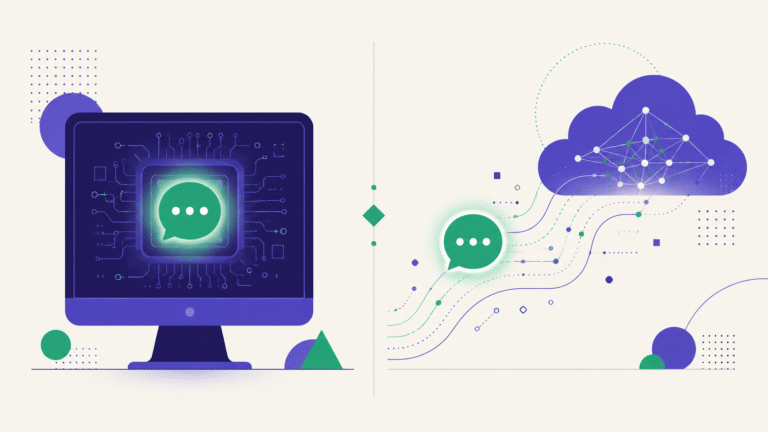
Venice AI is a general-purpose AI platform — text generation, image generation, code — built around two principles that set it apart: privacy by architecture and minimal censorship.
It’s not trying to be a friend. It’s trying to be a capable assistant that doesn’t log what you ask it and doesn’t refuse to answer. Think of it as sitting closer to a general AI tool than to anything in the companion category.
That distinction is the entire point of this Venice AI review. People find it while searching for uncensored AI and assume it’s a companion platform. It isn’t, and using it as one will disappoint you — not because it’s bad, but because it’s a different tool.
The privacy model
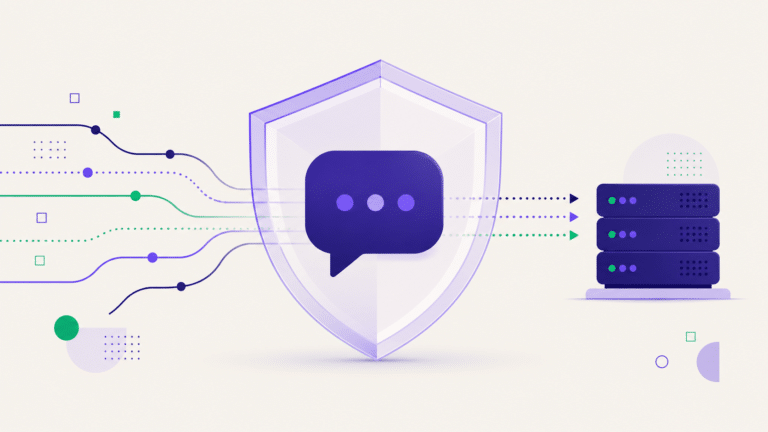
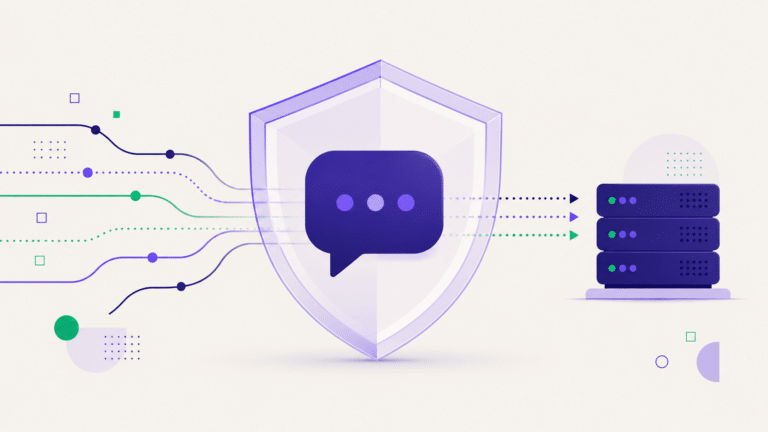
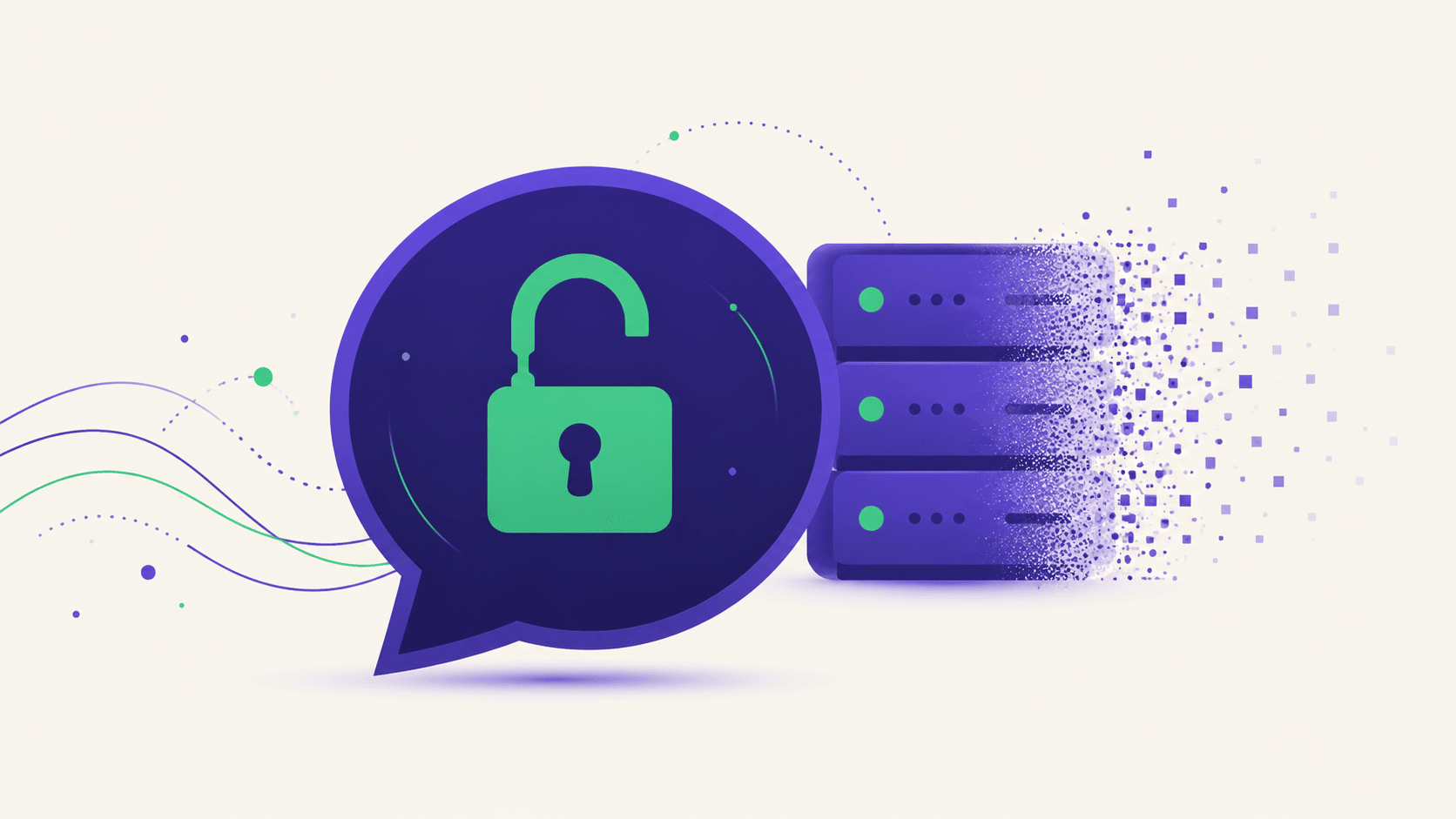
Any honest Venice AI review has to start here, because it’s the whole product. Venice AI’s central pitch is that your conversations aren’t stored on their servers in the way most AI services store them. The architecture is designed so that prompts aren’t retained centrally — a meaningfully different approach from the standard model where everything you type lives in a database.
Why that matters: most AI services, including every companion app we cover, store conversations because they need to. It’s how data privacy works in practice — convenience and continuity require retention. Venice trades some of that convenience for an architecture where there’s less to retain.
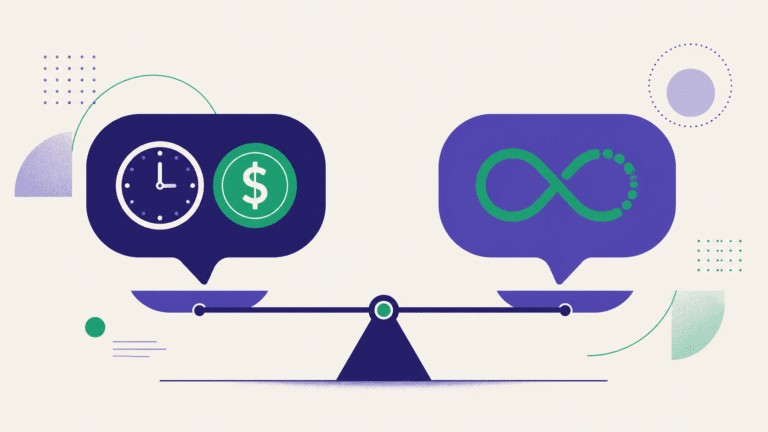
Privacy and personalization pull in opposite directions. An AI that remembers you must store things about you. An AI that stores nothing can’t remember you. Venice picks privacy. Companion apps pick memory. Neither is wrong — but you can’t have both, and any product claiming both deserves scrutiny.
Is Venice AI safe?
This is the second-most-searched question about it, so let’s answer it properly rather than vaguely.
On data safety: Venice AI is arguably safer than most AI services by design, because privacy is the product rather than a policy. When a company’s entire pitch is « we don’t retain this, » they have a strong commercial incentive not to. That’s a better guarantee than a promise in a privacy policy.
On legitimacy: it’s an established, public platform with a clear positioning — not an anonymous site that appeared last month. Asking is Venice AI safe in the « will this scam me » sense: no, it’s a real product.
On content safety: here’s the nuance. Venice AI is deliberately uncensored, which means it will engage with topics other AI services refuse. That’s the feature. Whether it’s « safe » depends entirely on what you do with it — a tool that doesn’t say no puts the responsibility on you rather than the platform.
« Uncensored » doesn’t mean « no rules apply. » Legal boundaries exist regardless of what a tool will technically output, and no platform’s permissiveness changes what’s lawful. An AI that won’t stop you isn’t the same as permission — that distinction matters, and it’s yours to hold.
What « uncensored » actually means here
Worth defining, because most Venice AI review coverage uses the word without explaining it.
The word gets thrown around loosely. In Venice AI’s case it means the models are configured to refuse far less than mainstream services — fewer topics off-limits, fewer lectures, fewer « I can’t help with that » responses.
For a lot of people, this solves a genuine frustration. Mainstream AI assistants refuse an enormous range of legitimate requests: medical questions, legal questions, creative writing with adult themes, security research, anything that pattern-matches to risk. That over-refusal is a real problem for real users with real needs.
What it doesn’t mean: a companion who’ll roleplay with you in character across weeks. Venice will engage with adult creative writing if you ask it to — but it’s answering a prompt, not being someone. That’s the gap this Venice AI review keeps returning to.
Why Venice AI isn’t a companion app
If you found this looking for an AI girlfriend, companion or roleplay partner, here’s the honest structural explanation:
| Venice AI | Companion apps | |
|---|---|---|
| What it is | General AI assistant | Character-driven companion |
| Personality | None by default — it’s a tool | Built and maintained |
| Memory of you | Minimal by design | Core feature |
| Relationship over time | Not the model | The entire point |
| Images of « your » character | Generic generation | Consistent character |
| Privacy | Excellent | Standard cloud storage |
Notice the last two rows are the trade. Venice gives you privacy and takes away continuity. Companion apps give you continuity and take away privacy. That’s not a flaw in either — it’s physics.
Why people confuse the two
The confusion is understandable. Both are « AI you type to. » Both can produce images. Both are frequently described as « uncensored. » Search engines cheerfully lump them together, which is exactly why this Venice AI review keeps appearing to people who wanted something else.
But the difference is the same as between a word processor and a novelist. Venice AI will write you a scene if you ask for one. A companion app will be the character in that scene, remember what happened in it, and reference it next Tuesday without being told.
One is a tool you operate. The other is something you have a relationship with. Neither description is a compliment or an insult — they’re just different products, and knowing which you want saves you a wasted evening.
⚡ Wanted a companion, not an assistant? That’s a different category.
See what a companion app does →Who Venice AI is genuinely for
This is the part of a Venice AI review that actually decides it for you:
Use it if…
- You’re frustrated by AI refusals. If mainstream assistants keep declining legitimate requests, this fixes that.
- Privacy is a real priority. Not a preference — a priority. Few services take it this seriously.
- You want a tool, not a friend. Writing, research, code, images. General work.
- You’re technically comfortable. The audience skews that way and the product reflects it.
Look elsewhere if…
- You want a character with a personality. Venice doesn’t do this.
- You want it to remember you. The privacy model works against that by design.
- You want roleplay that builds over weeks. Wrong tool entirely.
- You want a companion you can see. Image generation isn’t character consistency.
If you actually wanted a companion
Being direct: the apps below store your conversations. That’s how they remember you — it’s the same trade-off explained above, in the other direction. If Venice AI appeals specifically for privacy, none of these match it and we won’t pretend otherwise.
But if what drew you here was freedom from filters rather than privacy architecture, these give you that with an actual companion attached:

What Venice isn’t trying to be: a companion with a personality, consistent visuals and a relationship that develops. Far fewer restrictions than mainstream apps, plus chat, images and video in one place. Free tier.

The exact opposite trade to Venice: it remembers everything about your conversations across weeks, because that’s what makes a companion feel real. Adaptive memory is the strongest we’ve tested.
For the full ranked comparison, see our AI companion reviews. If privacy is your genuine concern, our piece on what AI apps do with your data is more useful than any recommendation.
Venice AI review: the verdict
Venice AI is a good product being found by the wrong people. It does something valuable and rare — privacy-respecting, minimally-censored general AI — and it does it credibly.
But it keeps surfacing in companion searches, and for that audience the answer is simply: this isn’t it. Not worse, not better — a different category. You’d be judging a screwdriver on how badly it hammers.
So the verdict splits:
- Want an unfiltered, private AI tool? Venice is one of the few real options. Genuinely recommended.
- Want a companion, character or roleplay partner? Wrong product. Our companion reviews cover that category.
Frequently asked questions
Is Venice AI safe?
Yes on both counts that matter: it’s a legitimate, established platform, and its privacy architecture is arguably stronger than most AI services because privacy is the product rather than a policy. The nuance is content — it’s deliberately uncensored, which puts responsibility on you rather than the platform.
Is Venice AI a companion app?
No. It’s a general-purpose AI tool — text, images, code — with no character personality system or relationship memory. If you want a companion, see our companion app reviews.
Is Venice AI really uncensored?
It refuses far less than mainstream AI services, which solves a real frustration for people making legitimate requests that get declined elsewhere. « Uncensored » doesn’t mean rules don’t apply — legal boundaries exist regardless of what a tool will output.
Does Venice AI store my conversations?
Its architecture is built to minimize retention, which is the core of its pitch — a meaningfully different approach from services that store everything by default. That’s also why it can’t remember you between sessions the way a companion app does.
What’s the best alternative to Venice AI?
Depends what you wanted. For a private, uncensored tool, there are few direct equivalents. For a companion with personality and memory, OurDream AI is our top pick and it’s free to try — but it’s a cloud service, so it stores conversations. That’s the trade.
The bottom line
Venice AI does something most AI companies won’t: it treats privacy as architecture rather than marketing, and it declines to lecture you. For people who value that, it’s genuinely worth knowing about.
Just know what it isn’t. It won’t be your companion, won’t remember your name next week, and isn’t trying to. If that’s what you came for, you want a different category entirely — and that’s fine. Both things can be good at once, and the mistake is only in expecting one to be the other.
Personality, memory, and a face
OurDream is our top-rated companion app — everything Venice deliberately isn’t. Chat, images and video, free tier, two minutes to try.
Try OurDream AI free →