Best Character Appearance Generator: Free AI Tools
A character appearance generator turns a description into a visual — the face, the outfit, the vibe — for your roleplay character, D&D hero or AI companion. This guide explains how these tools work, what separates a good one from a gimmick, and the best character appearance generator apps to try in 2026.
⚡ Want a character appearance generator that also brings your character to life in conversation? OurDream AI does both — free tier.
Try OurDream AI free →Describing a character is easy; picturing them consistently is hard. That’s the gap a character appearance generator fills. You feed it a description — « silver-haired ranger with a scar and a green cloak » — and it produces a visual you can actually see, refine and reuse. For roleplayers, tabletop players and anyone building an AI companion, it’s the difference between a vague idea and a character that feels real.
This guide covers what a character appearance generator actually does, where the free tools stop being enough, and which apps do it best — including the ones that don’t just generate a face but keep that character alive in an ongoing story.
What a character appearance generator does
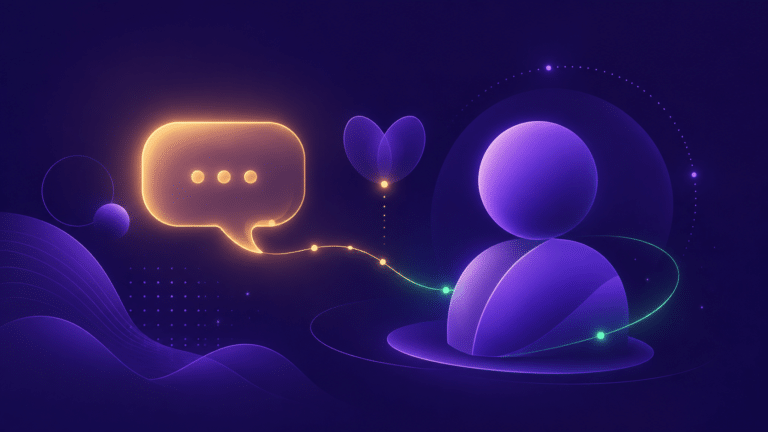
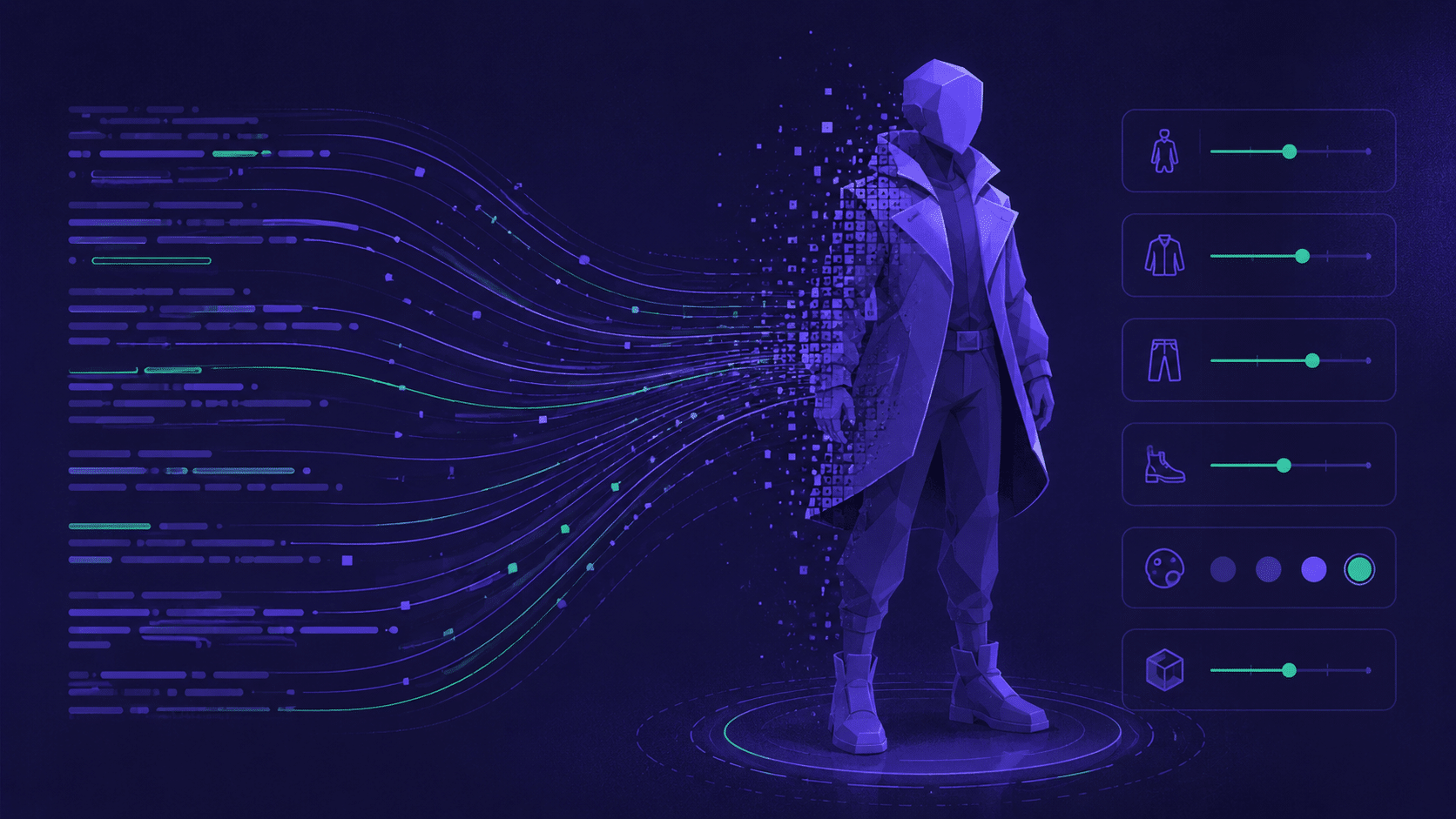
A character appearance generator is a tool that turns a text description into a visual representation of a character. At the simple end, that’s a single generated portrait from a prompt. At the sophisticated end, it’s a full character builder where appearance, personality and backstory come together — and the character then persists, so you can see and interact with them across a whole story.
Under the hood, most modern tools use generative AI to produce the image from your description. The quality of the result depends on two things: how well the model renders your prompt, and how much control the tool gives you to refine it. A basic character appearance generator gives you a roll of the dice; a good one lets you steer — adjust features, keep what works, iterate on what doesn’t.
People reach for a character appearance generator for all sorts of reasons: visualising a tabletop hero, designing a roleplay protagonist, or building an AI companion they want to actually see rather than just imagine. The best tool for you depends on which of those you’re doing — and whether you want a one-off image or a character that sticks around.
What makes a good character appearance generator
Not all of these tools are equal. Here’s what separates a genuinely useful character appearance generator from a novelty that produces one random face and stops.
- Control and refinement. The best tools let you adjust and iterate rather than just re-rolling. If you can’t nudge a result toward what you pictured, you’re at the mercy of luck.
- Consistency. A good generator can produce the same character in different poses or scenes, not a brand-new face every time. This is what makes a character usable beyond a single image.
- Depth beyond the face. The strongest options tie appearance to personality and backstory, so you’re building a character, not just a picture.
- It stays alive. The best tools don’t stop at a static portrait — the character persists and you can interact with them, which is where a companion app pulls ahead of a one-shot generator.
- A real free tier. You should be able to test all of the above before paying. Every pick below lets you start free.
There are two kinds of character appearance generator: one-shot tools that spit out a portrait and stop, and companion apps that generate a consistent character you can see and talk to. For a picture, either works. For a character that lives on, you want the second kind.
Best character appearance generator apps compared
Here’s the shortlist, ranked by how well each turns a description into a consistent, usable character. We only button apps we’ve tested and recommend.
| App | Best for | Consistent character | |
|---|---|---|---|
 |
Visual character you can also talk to | Strong | Try free → |
 |
Deep character builder + roleplay | Strong | Try → |
 |
Appearance tied to memory & personality | Strong | Try → |
 |
Fast, playful character creation | Good | Try → |
1. OurDream AI — best overall
Our top character appearance generator because it doesn’t stop at the picture. You describe your character, it generates the appearance, and then that character persists — with scene visuals — so you can see them in different moments and actually interact with them, not just look at a static portrait.
That’s the leap over a one-shot tool: consistency plus life. Combined with a full character and world builder, it’s the most complete option for anyone who wants a character they can see, refine and keep. Free tier to start.
2. Candy.ai — best character builder
Candy.ai pairs a strong character appearance generator with one of the deepest builders around — you shape not just how a character looks but how they talk and behave, then take them into ongoing roleplay. If you want appearance and personality to come together in one consistent character, it’s an excellent pick, with a polished interface and a free tier.
3. Secrets.ai — appearance tied to personality
Secrets.ai stands out for tying appearance to a character that actually remembers you. The visual you generate isn’t a throwaway — it belongs to a companion with a personality and memory that carries across sessions. If you want the look and the character to stay in sync over time, it’s a strong character appearance generator with real depth behind the portrait.
4. Swipey — fast, playful creation
If you’d rather not fill in a long form, Swipey makes character creation fast and playful — you land on an appearance you like quickly and start from there. It’s the lightest-touch character appearance generator of the group, ideal when you want a good result without much setup. Free to try.
For the full ranked breakdown of every app we’ve tested, see our OurDream AI review and Candy.ai review.
A character you can see and talk to
A one-shot generator gives you a picture. OurDream AI gives you a consistent character with visuals that persists across an ongoing story. Free to try — the difference is obvious in one session.
Try OurDream AI free →For D&D and tabletop characters
A big slice of people searching for a character appearance generator are tabletop players — a dnd character appearance generator is one of the most common specific needs. You’ve rolled a character, you know their stats and story, and now you want to see them: the half-elf rogue, the dwarven cleric, the tiefling warlock with the unsettling grin.
For that use, any of the generators here works well — you describe the character in detail and get a visual to bring to your table or campaign notes. The AI-driven builders shine because you can iterate until the portrait matches what you had in your head, rather than accepting the first roll. A good dnd character appearance generator turns a character sheet into a face, which makes the whole party feel more real.
The one thing to know: a tabletop character is usually a one-off image need, so a free tier is often plenty. If your character is going to live on in ongoing roleplay too, that’s when the persistent companion apps above earn their place over a single-portrait tool.
⚡ Turn your D&D character sheet into a face you can actually see — and keep iterating until it’s right.
Try OurDream AI free →How to write a great character description
The output of any character appearance generator is only as good as the description you feed it. A few rules make a dramatic difference:
- Lead with the essentials. Age range, build, hair, and one defining feature (a scar, unusual eyes, a signature outfit). These anchor the whole image.
- Add a mood or vibe. « Weathered and guarded » or « bright and mischievous » steers the expression and framing far more than a list of features alone.
- Specify the style. Realistic, painterly, anime — say which. Leaving it unspecified means the tool guesses, and it often guesses wrong.
- Name the setting. A fantasy tavern, a neon city, a quiet study — context shapes lighting and costume, and makes the character feel placed rather than floating.
- Iterate, don’t restart. If a result is close, refine one thing at a time (« same face, longer hair ») rather than re-rolling from scratch. Steering beats gambling.
Follow those and even a basic character appearance generator produces something usable — and a good one produces something genuinely striking. The description is the lever; the tool just executes it.
Frequently asked questions
What is the best character appearance generator in 2026?
Our top pick is OurDream AI, because it generates a consistent character you can both see and interact with, not just a one-off portrait. Candy.ai is close behind with a deep builder. Both are free to try.
Is there a free character appearance generator?
Yes. OurDream AI and Candy.ai both offer free tiers that let you generate and refine a character before deciding whether to upgrade. There are also simple one-shot free tools, though they lack consistency and persistence.
What’s the best dnd character appearance generator?
For tabletop use, any AI-driven generator here works well — you describe your character in detail and iterate until the portrait matches your sheet. OurDream AI and Candy.ai both handle a dnd character appearance generator use case, with the bonus that the character can persist if you want to take them into roleplay.
Can a character appearance generator keep the same character consistent?
The better ones can. A one-shot tool gives a new face each time, but companion apps like OurDream AI maintain a consistent character across different scenes and poses — which is what makes the character usable beyond a single image.
Do I need to pay to use one?
No. Every option worth using has a free tier that’s enough to test the core experience. Generate a character, refine it, and only upgrade if you want the deeper features. Testing costs nothing.
The bottom line
A character appearance generator bridges the gap between describing a character and actually seeing one — invaluable for roleplayers, tabletop players and anyone building an AI companion. The simple tools are fine for a quick one-off portrait, but if you want a consistent character that persists and comes to life, a companion app is the better tool. OurDream AI leads for visual consistency, Candy.ai for builder depth, Secrets.ai for memory, and Swipey for speed — and every one of them is free to try, so you can turn a description into a character in a single session. The best move is simply to try the one that matches how you work: pick OurDream if visuals matter most, Swipey if you want it fast, and judge by the result on screen rather than the feature list.
From a description to a character you can keep
OurDream AI generates a consistent character with visuals and keeps it alive in an ongoing story — far more than a one-shot portrait. Free tier, one session to see the difference.
Try OurDream AI free →